Economically, Colombia is still in the pre-industrial era. Back then, most of the value of a population's work came from exploiting the land. The industrial revolution changed that for many nations, but not for ours. Our economy still depends on exploiting our natural resources. This has to change. Colombia will only improve its standing in the world if we can become an economy that depends on what its people have in their heads instead of what lies beneath their shoes. We must become a services economy. To get there, we need to innovate, and do it at a global scale.

Like most Colombian kids, I grew up as a consumer. I was taught that things made in the country were poor quality and that the good stuff came from abroad. For years, I watched people around me consume foreign brands every day: movies, cars, clothes, appliances, food, music. Unfortunately, I didn't learn how to create things for others to consume. And no wonder. Why bother creating something in Colombia when they do it better abroad? Breaking that paradigm wasn't easy. It took me several years to realize I could be an innovator, and many more to actually innovate in something.
Fortunately, young people today have more sources of inspiration. The government is investing a lot in promoting entrepreneurship in technology. However, it focuses more on the entrepreneurship and not enough on the technology. That's a problem, not only because Colombia already has a strong entrepreneurial spirit, but because the world's most entrepreneurial economies aren't doing that well. Uganda is the most entrepreneurial country in the world, with 28.1% of its population running a business. It's followed by Thailand, with 16.7%, and Brazil, with 13.8%. When it comes to technology and innovation, entrepreneurial spirit alone isn't enough. It needs something else. Entrepreneurship is a means, not an end. Innovation in technology must come first. Entrepreneurship maximizes the impact of innovation in technology.
I became an entrepreneur at fourteen, not because I wanted to be an entrepreneur, but because I wanted a computer. I wanted access to technology. Entrepreneurship, for me, was a means to an end. Since then, I've reinvested every peso I've earned in technology. Thomas Alva Edison once said that his main purpose in life was to make enough money to create ever more inventions. The business and economic success of Silicon Valley, South Korea, and Israel started with education focused on technology and innovation. But that's a long-term plan. Silicon Valley started in 1938, the Miracle on the Han River in 1960, and the Startup Nation with the Technion in 1912.
Three first steps
Becoming an economy built on the intellectual resources of its people won't be impossible, but it won't be easy either. These are some of the first steps we must take:
1. Let's think globally
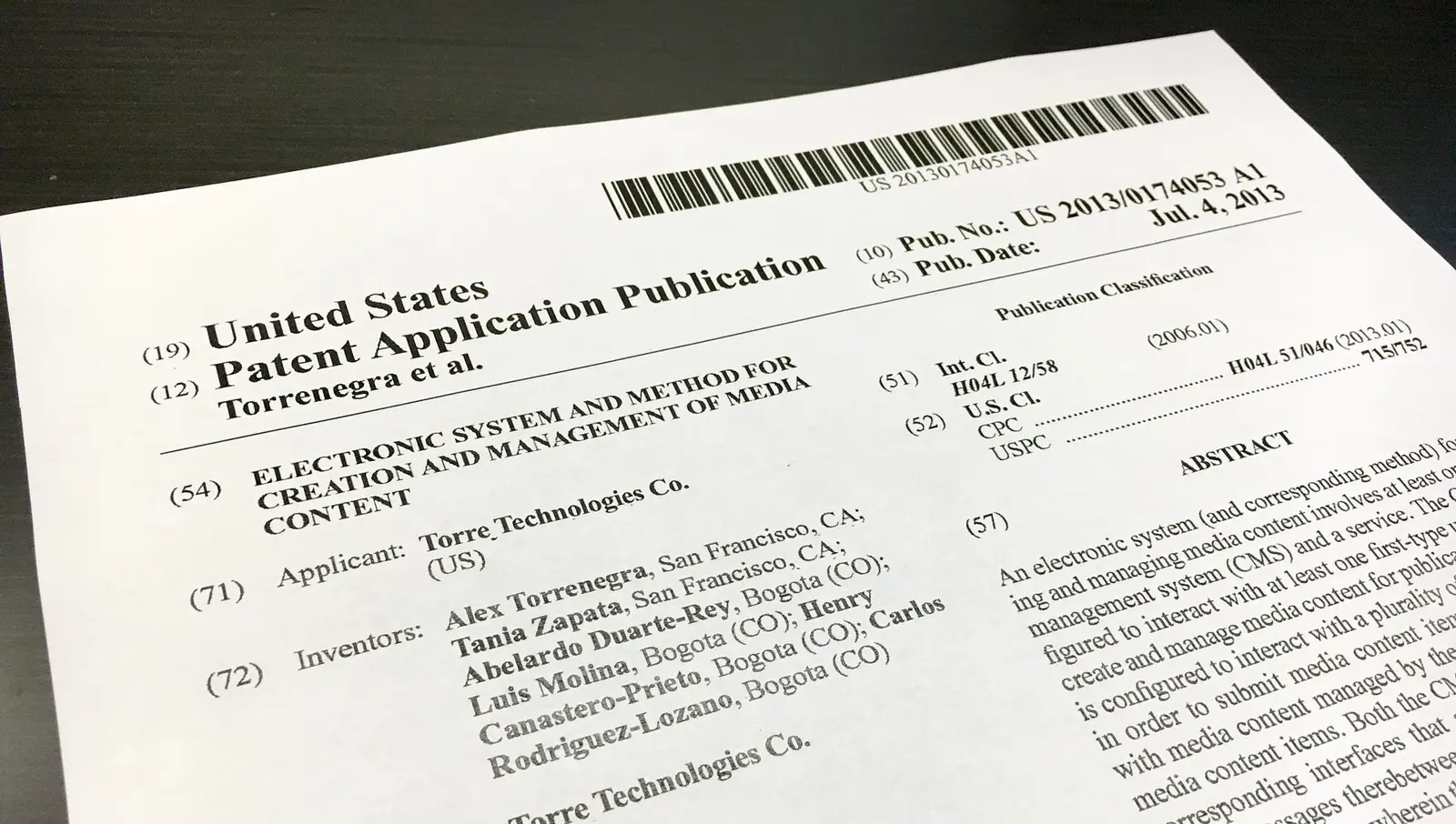
Innovation centered on local particularities can rarely be taken to other places on the planet. The best-known expressions of technology, whether apps, hardware, transportation, etc., are the same all over the world. Innovations with a local focus are usually doomed to lose the race against those with a global reach. Think of Despegar.com, a company dedicated to the Latin American market, compared to Booking.com, open to the global market. Something similar happens between Uber and conventional taxi services. Economies of scale have a lot to do with it: the work of an engineer building a local taxi app will affect, at most, 50 million Colombians. The work of an engineer at Uber will affect more than a billion people. Local innovation can work, as in the case of Viva Real, a company I invested in. But most of the time, it doesn't. Fortunately, this is changing. Companies like Torre and Senseta are building technology with a global focus from Colombia.
There's no excuse for not thinking globally. In fact, today it's easier for a Colombian to start a company and begin accepting credit card payments from outside Colombia than from inside. Almost ten times easier and a hundred times faster! We must stop limiting our dreams to the imaginary borders our nations' founding fathers set over the last 200 years.
2. Let's make the most of failure
You have to make a lot of mistakes to get something right. Innovation in general is similar to scientific research in a lab: you have to experiment with hundreds of chemical combinations before you get an innovation with potential for application. You have to repeat the cycle again and again until you find the one that works. Innovation depends on the ability to make mistakes and learn from them systematically. Our culture despises failure, while others respect it. We must remember that for every successful company that enters the Colombian market, whether Uber, Toyota, or Coca-Cola, there have been hundreds of others that tried and failed. As consumers in Colombia, we only see the successes. Innovation isn't easy.
3. Let's stop blaming others
Let's stop blaming the government. The global economy we live in today lets us do business from anywhere and with anyone. If you don't agree with your government's policies, do business from somewhere else. The less the government gets involved, the better. Next, let's stop blaming universities. Universities train professionals to meet the demand of local companies. Besides, the best education is on the Internet now. Want to learn from the leading expert on a particular topic? Look them up online. You'll find everything you need to know there. You may even find some experts willing to mentor you.
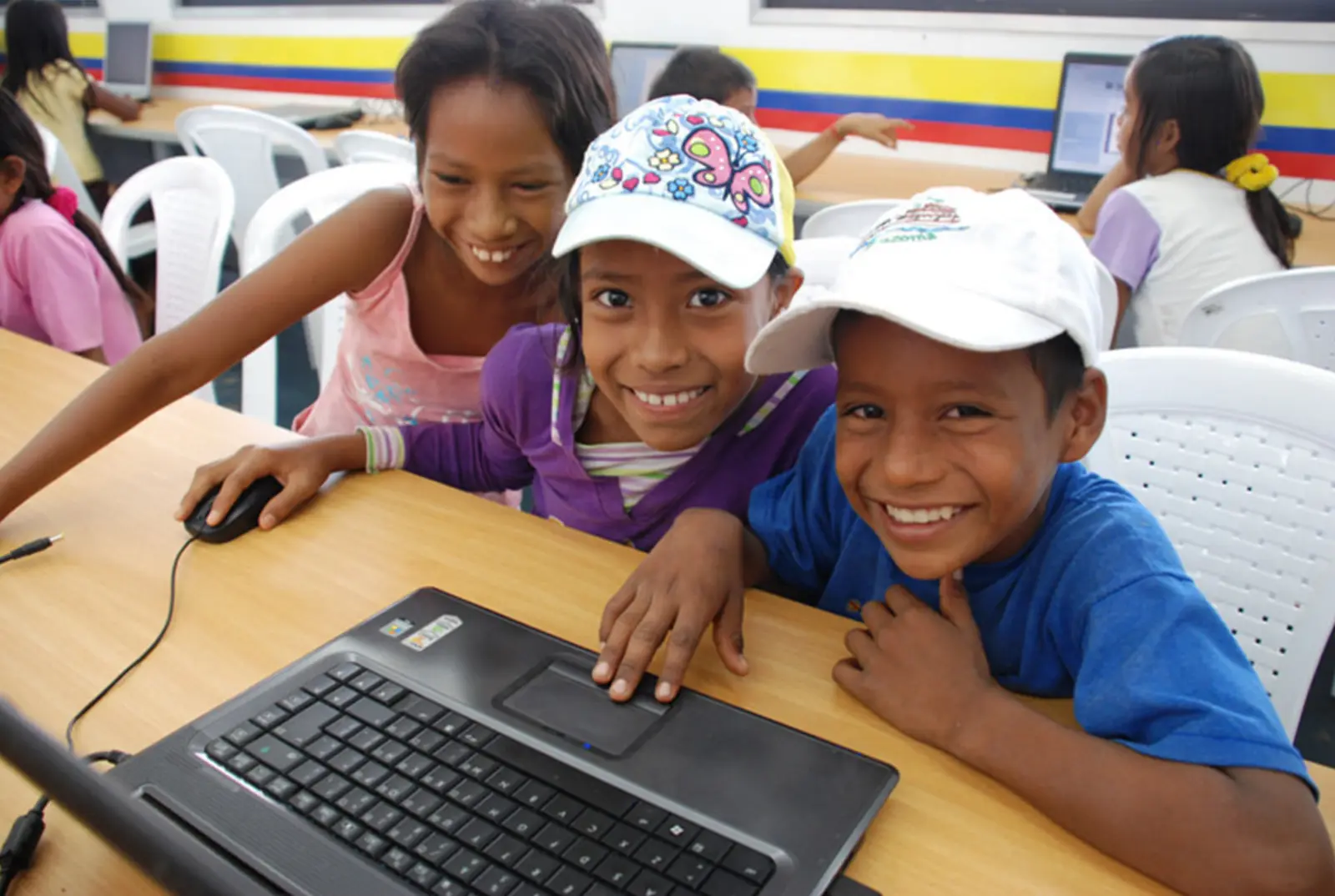
Know who's to blame? Each. One. Of. Us. Period. We don't believe we're good enough, but we are. You don't have to be a genius, just a bit above average. And guess what? 50% of human beings are above average. The world is within your reach. Stop consuming. Start creating. Think big. Become an authority in something. Stop feeling like a second-class citizen of the world. You can believe that what you do will change history, or not. Whatever you believe, you'll end up proving yourself right.
An earlier version of this article was published in Dinero magazine (in Spanish).