
At Bunny Inc. we sell creative services. To deliver on our promise of quality and speed, we rely on technology to automate most of the workflow. But we're also down-to-earth, people-orientated folks. We have a human element that encompasses each of our services: a team that gets involved whenever our automated processes fail — and even when they don't. This team is comprised of guys and gals who are as passionate as I am about what we do, provide excellent customer service, and are slam-dunkers in production and account management.
As a consumer, my best 'remote' (not in-person) customer service experiences in the U.S. have been delivered by U.S.-based teams from companies like Zappos, Rackspace, and Stripe. So when we began building our own team, it was an easy decision: operations had to be close to me, housed in our San Francisco office. First, I had to find someone sufficiently able to take up the challenge of putting the right team together. Then it occurred to me — I did know someone! Someone I had worked with a while before. Someone who had certainly impressed me: Santiago Jaramillo, an accomplished business professional and former entrepreneur. Would he be interested? I grabbed my mobile…
Santiago is Colombian and when I made him the offer, he was living in Bogotá. He was ready and willing, he told me — and excited. The plan was simple: he'd move to San Francisco and start building our team. Within days, we'd hired a law firm to process his H-1B visa. A couple of weeks and $6,000 in legal fees later, Santiago's application was submitted.
The U.S. Immigration Department didn't even look at the application. Within a few months, the carefully packaged stash of documents was back on my desk — untouched. The explanation? Too many people were requesting H-1B visas. They'd held a raffle to determine which applications they'd look at, and Santiago's didn't make the cut.
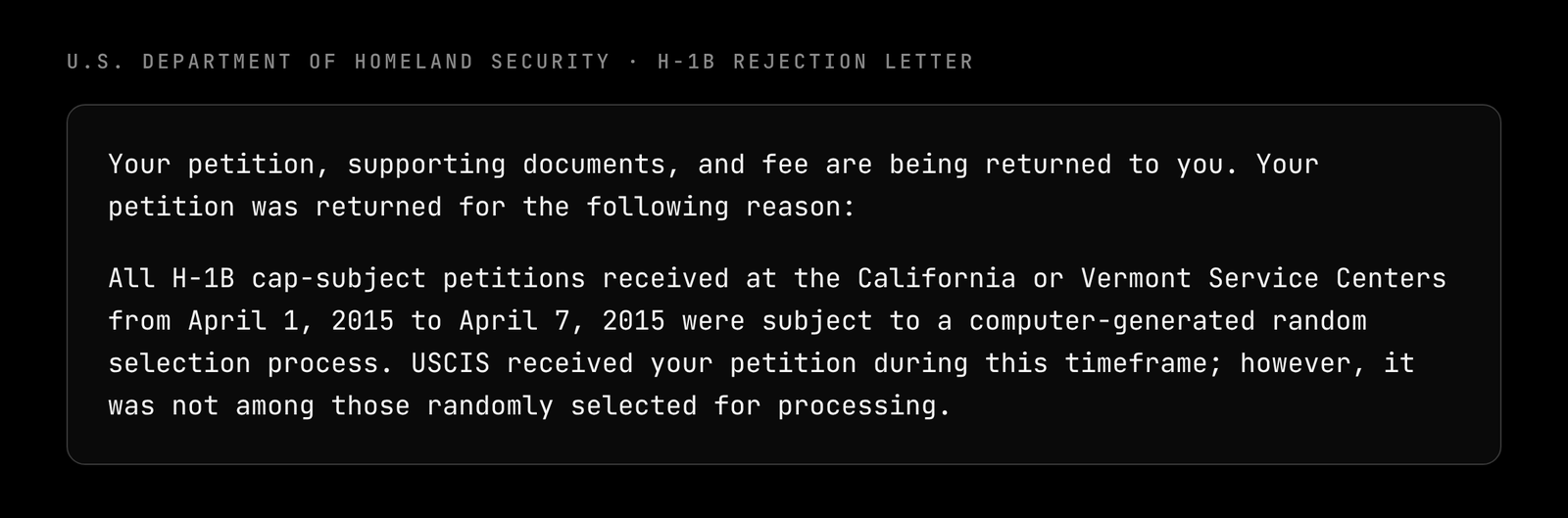
The disappointment was palpable. I couldn't think of a better person to lead our effort. Equally, Santiago had really been looking forward to joining us and moving boots an' all to San Francisco.
Nada.
After some brooding and cautious consideration, Santiago decided to change the way we were thinking: "You know what," he exclaimed, "I'll build the team we need in Bogotá."
I shook my head vigorously.
"Go on — just give me the chance," he pleaded.
I presented him with several arguments against the idea. For one, while involved in another business some years before, I'd tried to build a customer service team in Colombia. It didn't work. We couldn't find experienced managers and the cultural differences significantly affected customer satisfaction. Additionally, Colombian salaries and U.S. salaries were practically on a par. Sure, back in the day, Colombian salaries were lower, but by the time we were having this debate, the cost of hiring business people in either of the two countries would have been the same.
Santiago counter-argued on all fronts. "I'll show you," he insisted.
He was so passionate about his own proposal I had to smile. "Then go do it," I mumbled, still far from convinced. "And show me."
That was back in 2013. Truth be told, Santiago not only rose to the occasion, he kicked butt! As of this writing, our operations team is 30-strong and growing. Fast. Our clients love us. Our surveys show that every month, 99% — 100% of our customers are satisfied after interacting with the team. Thanks to enthusiasm and hard work, word-of-mouth has become our second largest user acquisition channel. We have created a customer service culture comparable to the one Zappos built in their Las Vegas office.
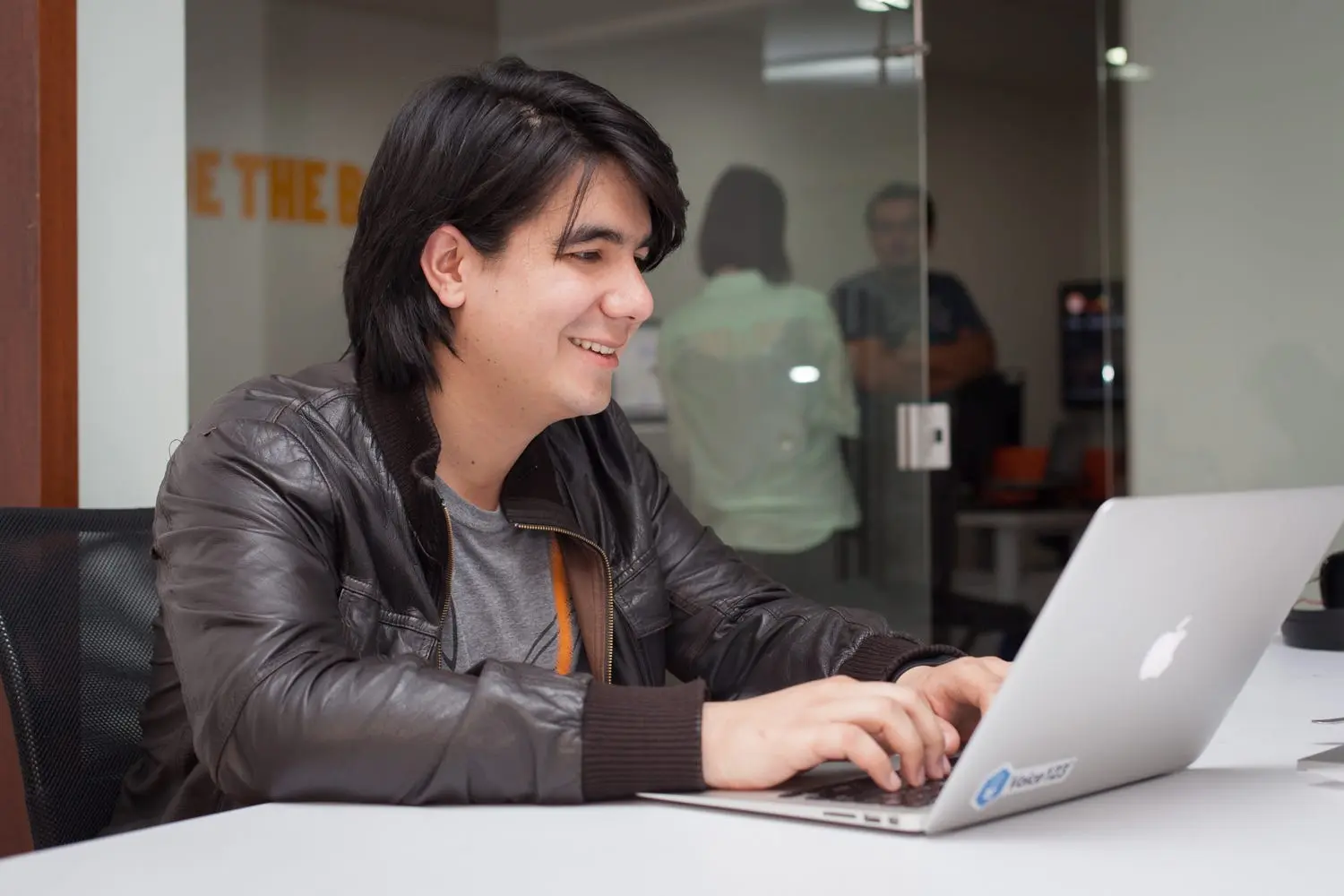
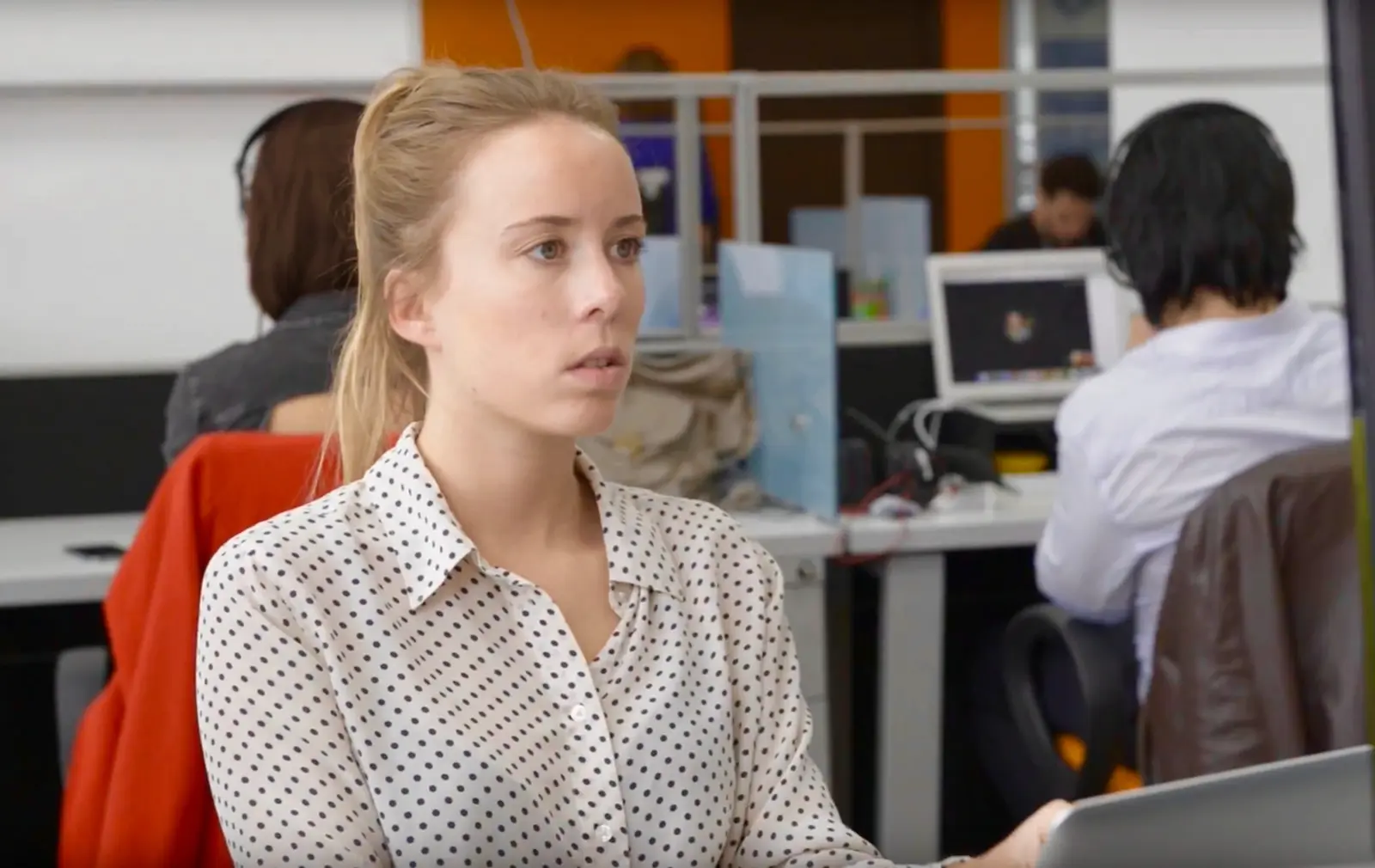
Today, Santiago is our Chief Operations Officer, and we have the vibrant Luisa Moscoso as our Head of Operations for Fulfillment. Interestingly, she's a university graduate from the U.S., but couldn't get a U.S. visa to work either. So she returned to Colombia — fortunately for us!
Let me add: we have numerous graduates from business schools and schools for social sciences in Latin America frequently applying to join the Bunny Inc. Operations team. We're a particularly great choice for those wanting international exposure, too — and having said that, we have people in Operations from all over the world: England, Germany, Holland, Portugal, South Africa, Argentina, Japan. The list is expanding. Most importantly, our team is happy and super-motivated!
The lesson
There's a lesson here. I learned that new generations of Latin Americans have a global mentality. They're embracing a global culture. They communicate very comfortably with anyone from anywhere. I've also learned that hiring former entrepreneurs adds passion, drive, and persistence to the staff mix.
The U.S. should also learn a lesson. Because of its current, nonsensical immigration morass, the U.S. has lost and keeps losing dozens of jobs. Numbers may double within a year. And then double again in the year after that. Hopefully, the U.S. Congress can get their act together and reform their punitive immigration laws.
Not too long ago, the dream for many of us — and by that I mean we tech-driven people — was to move to Silicon Valley so we could innovate among other innovators. I, for one, remain grateful I was able to.
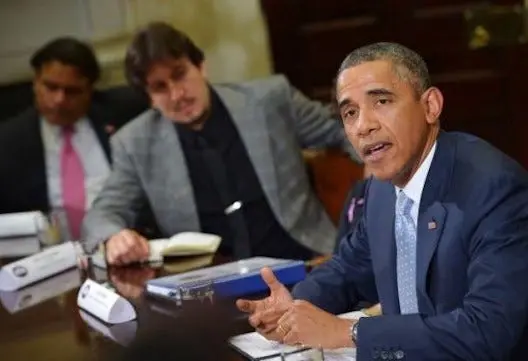
To my mind, it's in a nation's best interest not only to welcome but also to proactively attract the best talent from wherever such talent may be. Talented people used to move to where the great companies are located. Today, companies are moving to where great talent is located. It's become a global arena.
And Latin America is here to compete with the world, y'all!
Thanks to Carel Frans, Luisa Moscoso, Santiago Jaramillo, Tania Zapata, and Tara Tyler for reading and commenting on drafts of this article.