Healthcare
AI models in healthcare
A consulting service to identify where AI can improve your operations, then help you bring the right opportunity into production.
Our team has worked with companies across healthcare, government, energy, insurance, and more




AI models in healthcare
Artificial intelligence initiatives
Corporate innovation

Operational cost savings
Staffing and development outsourcing
Predictive models in finance
Three ways to work with us, depending on where your company is today.
01
“I have this running and I don't know if we're on track.”
“I got three proposals and I don't know which one to trust.”
We review current AI use, vendor proposals, and automation ideas. Then we separate what is worth doing now from what is noise or risk.
You get
Your first case prioritized by impact, effort, and risk, with an owner and a way to measure it.
02
“We know what hurts, but nobody lands it.”
“AI conversations stay as words; I need something running.”
We take one real process: quoting, invoices, reports, sales follow-up, or scattered data, and leave it running in the tools your team already uses.
You get
A workflow running in production within two weeks.
03
“I'm the only one pushing this and my team is afraid of it.”
“Do I hire externally or train someone internally? I don't even know how to evaluate an expert.”
We embed a senior AI operator for 3 to 6 months to build with your team, train people, document the system, and help form the permanent owner.
You get
An embedded consultant who gets your organization to actually adopt AI.
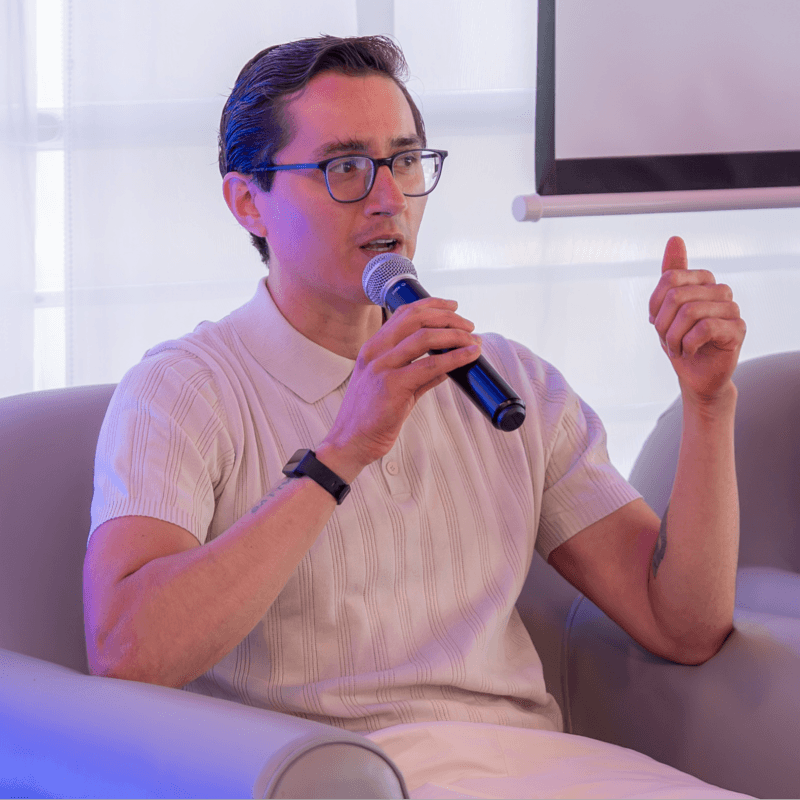
The Team Behind It
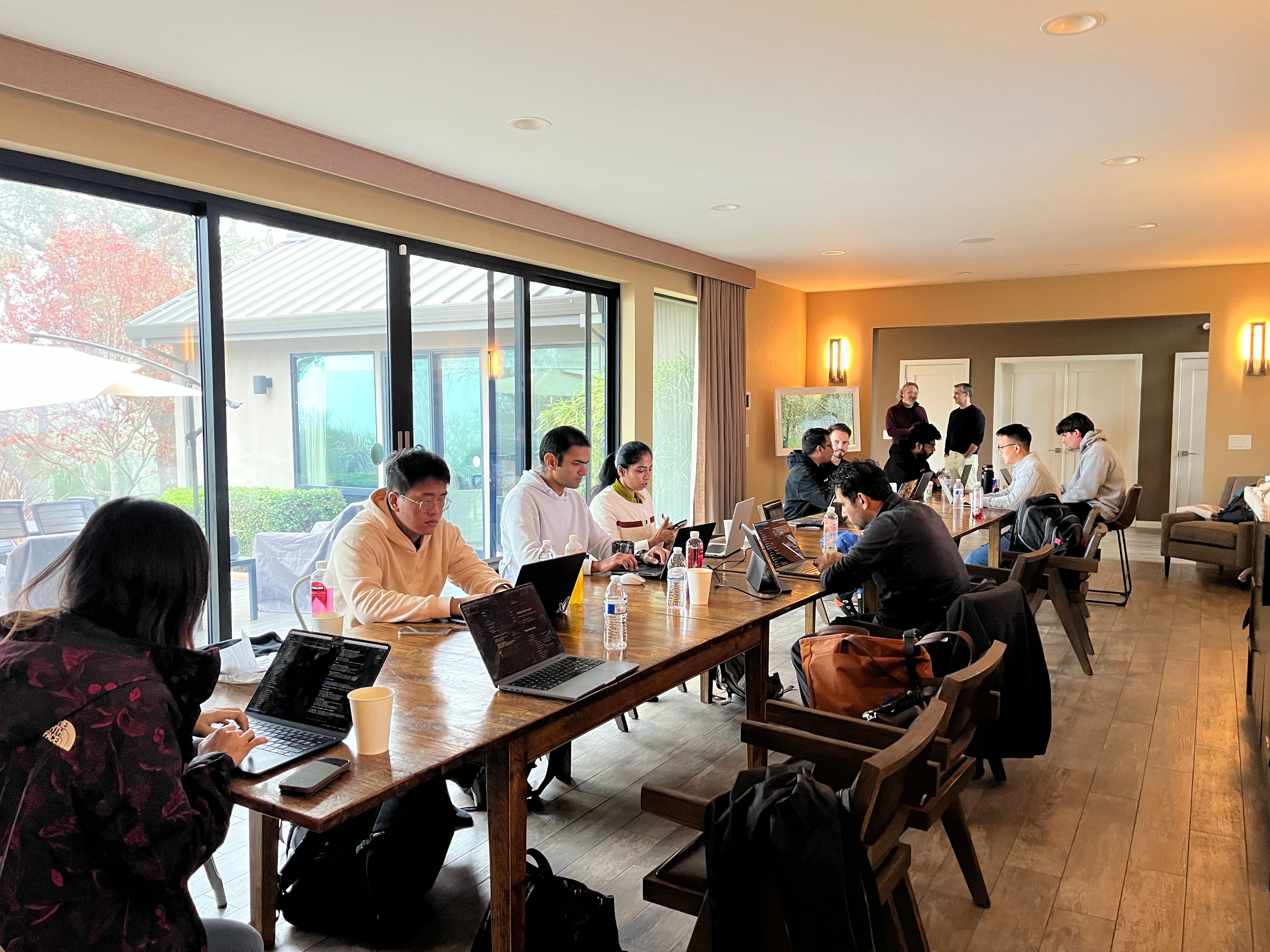
Two operators building and applying AI across companies, talent, and venture building.
A Few Consultants From Our Network
Consultants, researchers, and investors we bring in when the case needs specialized judgment in AI, product, investment, or implementation.



Our network connects with talent from some of the strongest AI institutions and technology companies in the world.
Official Partnerships with

AI Native
Practical sessions on turning AI from scattered experiments into operating leverage across teams, products, and processes.
Four past engagements that show how we brought technology into operations, support, and data.

Insurance / Operational efficiency
01Automated onboarding for new agents and processing for life insurance products.

Banking / SLA efficiency
02Automated escalation, assignment, and follow-up for support tickets based on case type and severity.

Public sector / Internal experience
03Deployed interactive video and audio agents for internal training in real time.

Family office / Data foundations
04Structured investment data to enable cleaner descriptive and predictive analysis.
You can clarify your questions by email before booking.
Contact by emailWe are a consulting and implementation firm focused on helping companies turn AI into measurable operational change.
We are not a traditional software development agency that only builds on request, and we are not a consulting firm that stops at recommendations. We are entrepreneurs and operators, not just consultants giving opinions from the outside.
We help diagnose, prioritize, and redesign workflows, and when it makes sense we also support implementation alongside the client team.
In some cases we work at a more strategic level with founders or executives. In others, we work more operationally on specific processes.
Our focus is changing how the business operates, not just delivering a deck or building isolated software.
No. The intro call is a diagnostic conversation with a member of our team to understand context, evaluate fit, and define the next step.
No. This is not general mentorship, pitch review, or fundraising support. It is for companies that want to redesign a real process with AI.
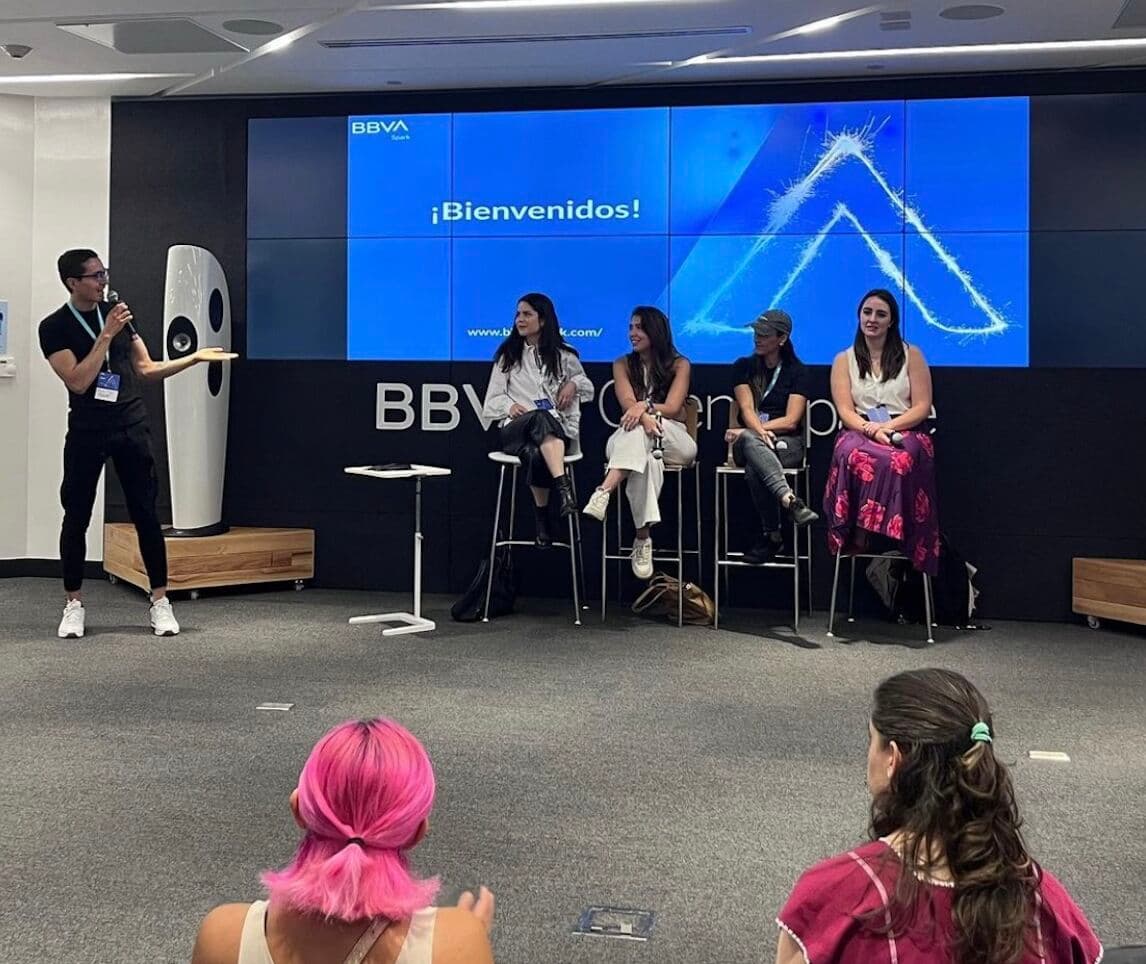
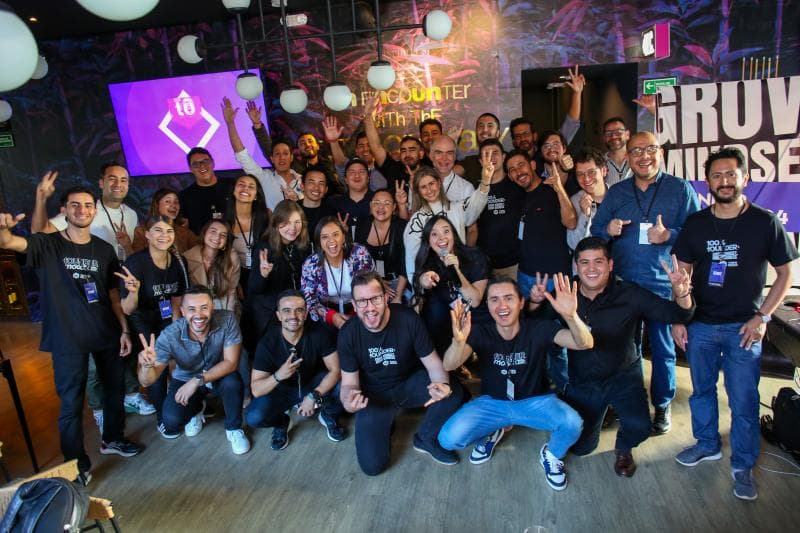
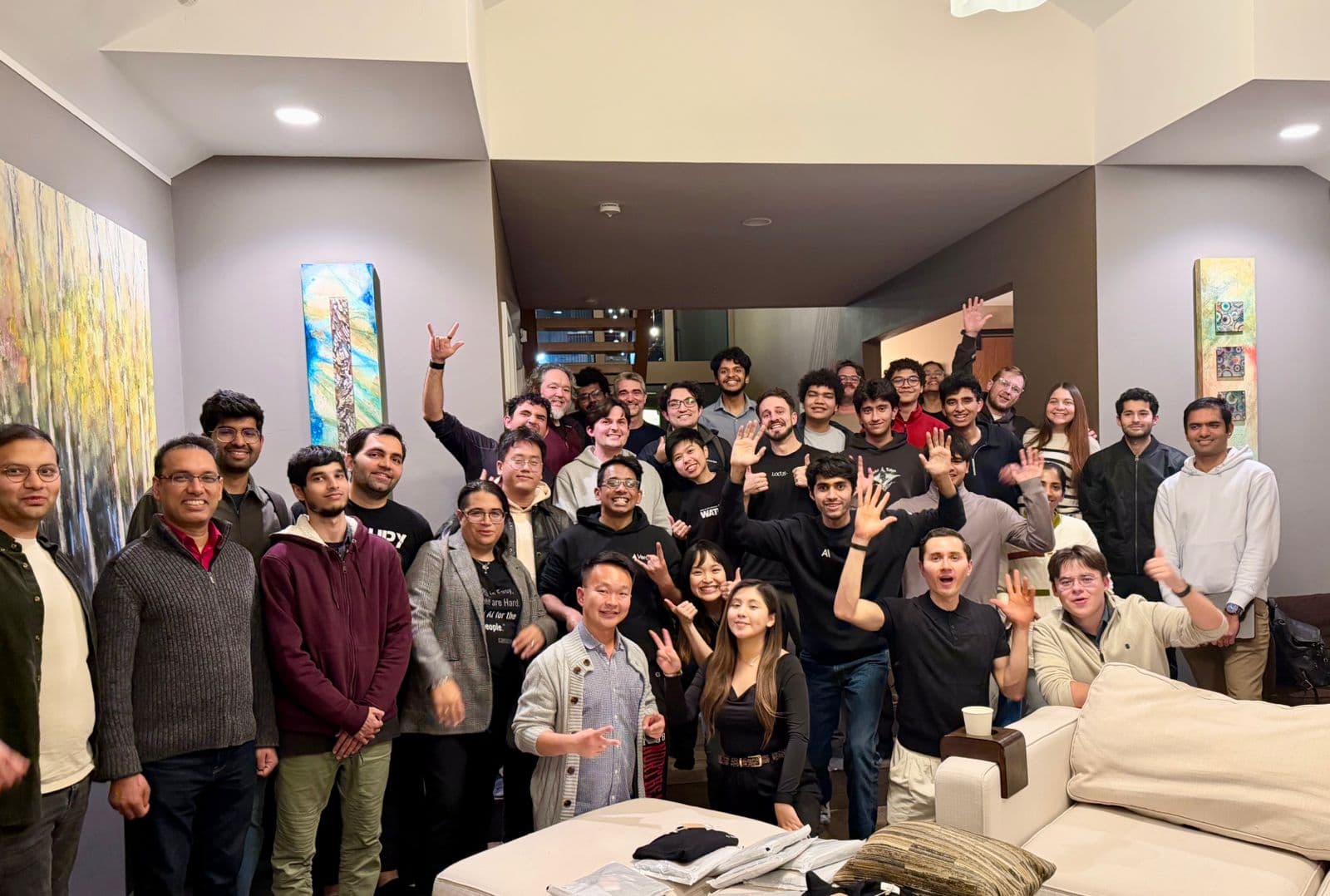
A few companies and communities we've collaborated with






AI transformation for companies with operating complexity.